October 1, 2026


Boston – After months of negotiations by a six-member Conference Committee, the Massachusetts House of Representatives and Senate have reached an agreement on legislation that would require the Department of Public Health (DPH) to license alcohol and drug counselors and recovery coaches, while also taking additional steps to help the state combat opioid abuse.
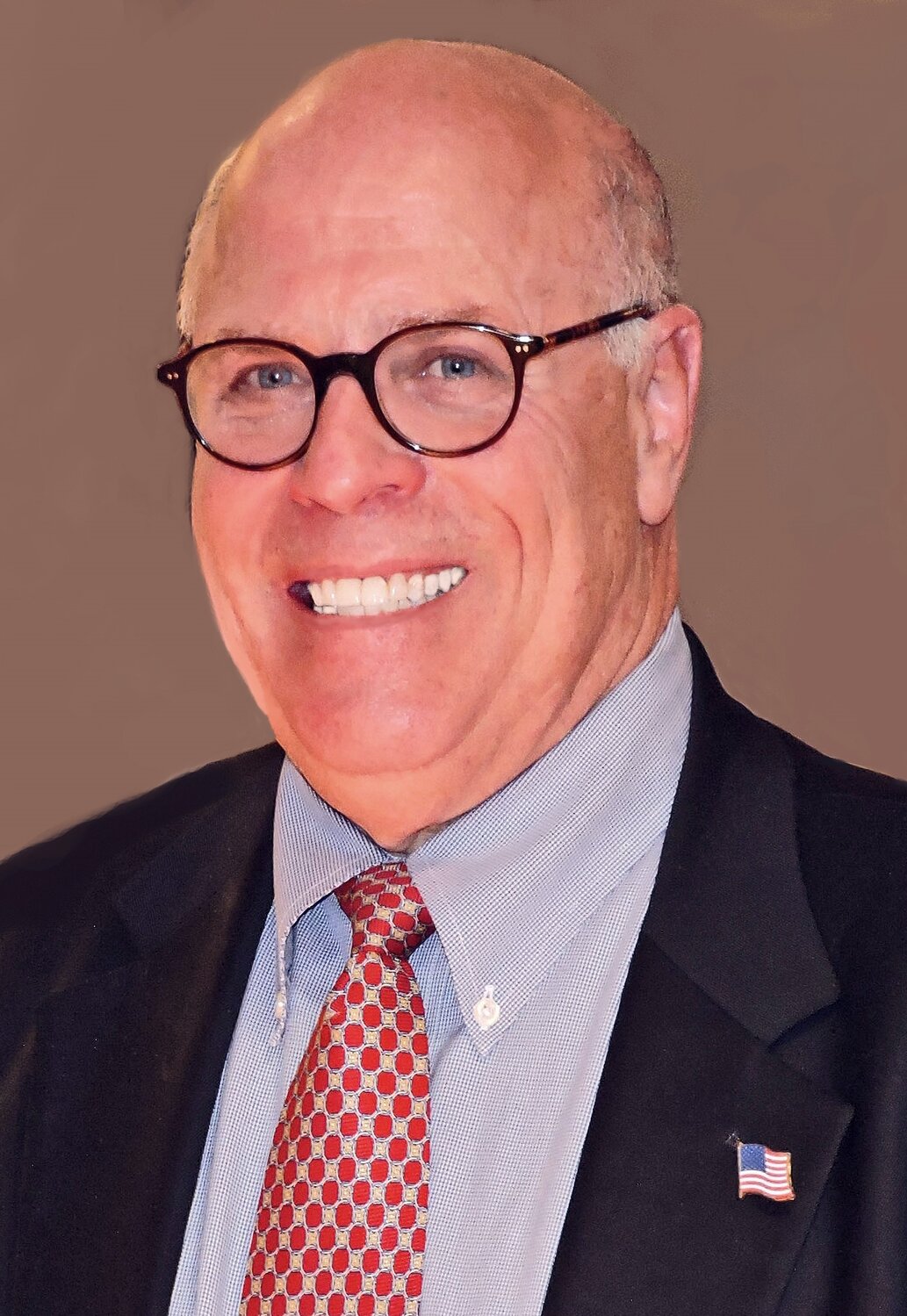
House Bill 5143, An Act relative to treatments and coverage for substance use disorder and recovery coach licensure, was enacted in both branches on December 19 and is now on Governor Maura Healey’s desk for her review and signature. State Representative Steven S. Howitt (R-Seekonk) noted the compromise bill eliminates the Senate’s controversial proposal to authorize safe injection sites and aligns closely with the earlier House version he supported on June 13, when it passed the House on a 153-0 vote.
House Bill 5143 authorizes DPH to oversee the licensure process and education and work experience requirements for recovery coaches, as well as for licensed alcohol and drug counselors I and II. In addition to meeting the licensure requirements outlined by DPH, recovery coaches must also demonstrate they have experienced at least two years of sustained recovery and must work under a recovery coach supervisor to obtain the necessary experience. Recovery coach licenses will be valid for two years, and penalties will be assessed for individuals practicing without a license, with exceptions provided to those working in certain capacities, such as psychologists and physicians.
Representative Howitt said House Bil 5143 requires health insurance carriers offering policies in Massachusetts to provide coverage for prescribed or dispensed opioid medication used in the reversal of overdose caused by opioid use and prohibits insurers from requiring prior authorization for the medication, or subjecting it to a deductible, coinsurance, copayments or out-of-pocket limits. The bill also mandates that health plans provide coverage for recovery coach services offered by a licensed coach, regardless of the setting where these services are provided.
The bill also establishes a special commission to study and make recommendations on ways to address the public health and safety concerns posed by the proliferation of xylazine as an additive to illicit drugs, including, but not limited to, fentanyl. The commission will examine best practices to regulate and oversee the production and distribution of xylazine to ensure that it is used solely for its intended purpose as an animal tranquilizer administered by licensed veterinarians and not for human consumption. The commission will also consider whether xylazine should be classified as a controlled substance; the appropriate penalties for its illegal production and distribution; the availability of effective outreach and treatment programs for patients who have been exposed to xylazine; and ways to address any gaps in available programs and services.
The commission language was inserted in the original House version of the bill through an amendment offered by Republican Leadership in June with the support of Representative Howitt. The commission will be required to file a report by June 30, 2025.
Representative Howitt highlighted several other key provisions contained in the bill, including language:
• directing the Board of Registration in Dentistry to participate in the unified recovery and monitoring program and to make appropriate referrals to the program of dentists and dental hygienists seeking support for their mental health or substance use as a voluntary alternative to disciplinary actions, with participation in the program remaining confidential;
• requiring insurers to provide adequate coverage and access to a broad spectrum of pain management services, including non-medication, nonsurgical treatment modalities and non-opioid medication treatment options that serve as alternatives to opioid prescribing;
• requiring practitioners that prescribe controlled substances to complete training on effective pain management, such as nonopioid alternatives to treat pain, the risks of misuse and addiction associated, and how to counsel patients about side effects and risks of certain medicines as a prerequisite to obtaining or renewing their professional license;
• requiring DPH to collect and provide data to the Department of Children and Families (DCF) on all births of infants affected by prenatal substance exposure, and to submit an annual report about the prevalence of births of infants identified as affected by prenatal substance exposure or fetal alcohol spectrum disorder;
• requiring DCF, in consultation with DPH and the Office of the Child Advocate, to promulgate regulations or issue further guidance for the requirements of health care providers involved in the delivery or care of infants identified as being affected by prenatal substance exposure or fetal alcohol spectrum disorder;
• eliminating language requiring that a mandated reporter file a report with DCF if they suspect the child is suffering from a physical or emotional injury resulting from physical dependence upon an addictive drug at birth;
• extending liability protections to harm reduction organizations and their agents who are acting in good faith by shielding them from criminal and civil liability for providing or assisting in drug testing services or being charged with unlawful possession of controlled substances;
• establishing a licensure process for qualified health professionals to engage in auricular acupuncture detoxification;
• directing the Bureau of Substance Addiction Services within DPH to conduct a study on the potential benefits of expanding collaborative practice agreements between physicians and pharmacists to allow for the prescription of schedules II to VI, inclusive, controlled substances by pharmacists outside of the hospital or other health care setting to treat patients with substance use disorders;
• prohibiting life insurance companies from discriminating against a person, or rejecting or canceling their policy, solely based on the fact that the applicant has or had a prescription for or purchased an opioid antagonist;
• directing substance use treatment disorder facilities to, upon discharge, educate patients with a history of using opioids, a diagnosed opioid use disorder, or a patient who has experienced an opioid-related overdose about opioid antagonists, and to dispense two doses of an opioid antagonist; and
• requiring pharmacies located in areas with high incidences of opiate overdose to maintain a continuous supply of opioid antagonists, and to notify DPH if supply or stock is insufficient to comply with this requirement.


Comments
No comments on this item Please log in to comment by clicking here